
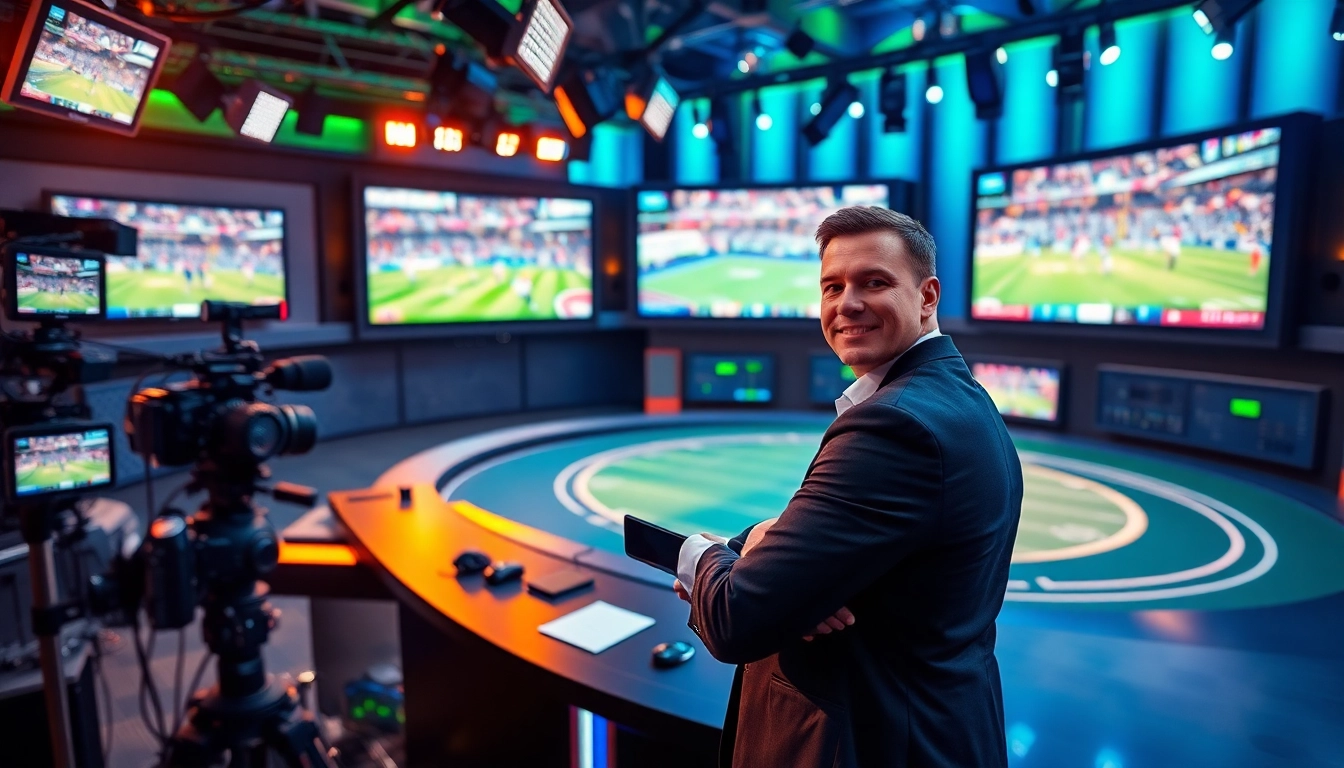
The Essentials of Sports Broadcasting
Understanding Sports Broadcasting
Sports broadcasting is a multifaceted industry that encompasses the live transmission of sporting events, news coverage, and related entertainment. It serves to deliver engaging content to audiences, not only showcasing the action on the field or court but also providing in-depth analysis, athlete interviews, and commentary. With the increasing digitization of media, the landscape of Sports Broadcasting has transformed dramatically, enhancing how fans consume their favorite sports from various platforms. The blend of traditional television, radio, and emerging streaming services has made it vital to adapt to changing viewer preferences. For those looking to explore or enter the field, understanding the intricacies and nuances of Sports Broadcasting is essential. Moreover, anyone interested in this domain can find valuable insights at Sports Broadcasting.
Key Roles in Sports Broadcasting
Sports broadcasting consists of various roles, each pivotal for creating a seamless viewing experience. Some of the key positions include:
- Play-by-Play Commentator: This individual narrates the live action, providing context, excitement, and spontaneity.
- Color Commentator: Working alongside the play-by-play announcer, this role involves providing analysis, insights, and backstories that enhance the viewers' understanding of the game.
- Producers: They are responsible for the overall direction and content flow of the broadcast, ensuring all elements are in place.
- Camera Operators: Essential for capturing the right angles and action, they play a key role in delivering a visually compelling experience.
- Editors: Post-production editors work on highlight reels and other video content, making sure the final presentation is polished and engaging.
Each of these roles contributes to a well-rounded broadcast, relying on collaboration and expertise to convey the excitement of the sport to viewers.
Essential Equipment for Effective Broadcasting
To broadcast sports events successfully, high-quality equipment is necessary. Key tools and technologies include:
- Cameras: High-definition cameras provide the clarity and detail essential for sports, capturing every moment accurately.
- Microphones: Quality microphones, both handheld and lapel types, ensure clear sound capture for commentators and interviews.
- Mixing Consoles: These allow for audio levels to be balanced, enhancing the overall production quality.
- Graphics and Animation Software: Technology to create visual graphics like scoreboards, player stats, and instant replays that engage viewers.
- Streaming Technology: With the growth of online broadcasting, software and hardware capable of delivering live streams smoothly have become crucial.
Investing in the right equipment not only enhances the viewer's experience but also reflects the professionalism of the broadcasting entity.
Crafting Engaging Content in Sports Broadcasting
Creating Compelling Storylines
The backbone of successful sports broadcasting lies in storytelling. While live action is captivating, the context and narrative surrounding each game can draw viewers deeper into the experience. Effective techniques for crafting enticing narratives include:
- Character Development: Focusing on individual athletes or teams' backstories can resonate emotionally with audiences.
- Conflict and Resolution: Highlighting rivalries or pivotal moments increases tension and engagement during broadcasts.
- Historical Context: Referencing past achievements or failures can add depth, making present events more significant.
- Real-Time Insights: Including stats, figures, and expert analysis provides viewers with context that enriches the broadcast experience.
By integrating these elements, broadcasters can elevate the storytelling aspect and keep viewers invested throughout the event.
Utilizing Multimedia Elements
In the age of digital consumption, engaging broadcasts must incorporate a variety of multimedia elements. Key strategies include:
- Video Highlights: Using clips from previous games enriches the viewing experience and builds anticipation.
- Social Media Integration: Involving audience feedback and real-time interaction through platforms like Twitter and Instagram fosters a sense of community.
- Graphics and Infographics: Supplying viewers with visual summaries or player stats can enhance understanding and retention of information.
- Augmented Reality: Exploring AR technologies allows for immersive viewer experiences that traditional broadcasts cannot provide.
By leveraging these multimedia strategies, broadcasters can create a dynamic experience, catering to today’s digital-savvy audience.
Audience Interaction and Engagement Strategies
A key aspect of modern sports broadcasting is the ability to connect with the audience typically through interactive segments. Strategies for engaging viewers include:
- Live Polls and Questions: Encouraging energy during broadcasts enables viewers to voice their opinions and contribute to discussions.
- Fan Highlights: Featuring clips or photos sent in by fans creates a participatory culture.
- Direct Communication Channels: Engaging with audiences via social media platforms allows for immediate feedback and interaction.
- Contests and Giveaways: Conducting contests can maintain excitement and give fans a reason to stay tuned.
Ultimately, the goal is to create an inclusive environment where fans feel like active participants in the sports broadcasting community.
Trends Shaping the Future of Sports Broadcasting
The Rise of Streaming Platforms
Streaming platforms have revolutionized how content is delivered, allowing fans to watch games live on various devices. This trend reflects a shift from traditional viewing methods to on-demand and personalized experiences. As audiences demand flexibility, many sports organizations are partnering with streaming services, catering to the needs of a younger generation that prefers watching on their terms.
Impact of Social Media
Social media has become an essential tool in sports broadcasting, influencing how information is disseminated and consumed. It enables real-time updates and discussions, often reshaping the narrative of games as they unfold. Broadcasters must stay vigilant about audience sentiment expressed online, as this feedback can inform content strategy and viewer engagement tactics.
Technological Innovations in Sports Broadcasting
With advancements in technology like 5G, virtual reality, and artificial intelligence, the potential for engagement is expanding exponentially. 5G technology offers nearly instantaneous connectivity and can significantly enhance live broadcasts by allowing for higher-quality streams. Virtual reality and augmented reality can transport audiences right into the stadium or arena, creating unique experiences that will redefine sports viewing.
Challenges in Sports Broadcasting
Maintaining Broadcast Standards
In an industry where quality is king, maintaining high broadcasting standards can be a challenge. Factors such as equipment quality, talent availability, and viewer expectations fluctuate frequently. It is essential for broadcasters to set robust guidelines and ensure continual training for their teams to uphold professional standards consistently.
Managing Crises in Live Broadcasting
Live broadcasting comes with its share of unexpected events. Whether it is technical difficulties or unforeseen incidents during a game, professionals must be equipped to respond swiftly and effectively. Establishing a crisis management plan and conducting regular drills can keep teams prepared for unplanned disruptions, ensuring a smooth broadcast.
Legal Considerations and Licensing Issues
Sports broadcasting is subject to various legal frameworks, including copyright laws and broadcasting rights. Navigating legal considerations can be complex and requires comprehensive understanding and attention to detail. Broadcasters must stay informed about licensing agreements and regulations to avoid potential legal issues that could jeopardize their operations.
Measuring Success in Sports Broadcasting
Key Performance Indicators (KPIs)
To gauge the effectiveness of broadcasts, it is crucial to establish specific KPIs, such as viewer ratings, subscription numbers, and engagement feedback. These metrics provide valuable insights into what resonates with audiences and which areas may require improvement.
Analyzing Viewer Engagement Metrics
Understanding viewer engagement is essential to refine content strategies continually. Metrics like average watch time, audience retention rates, and social media interactions give broadcasters a clearer picture of how viewers are interacting with their content, enabling them to tailor broadcasts for optimal engagement.
Feedback and Adaptation Strategies
Utilizing viewer feedback is instrumental in enhancing the overall broadcast experience. Conducting surveys or monitoring social media discussions enables broadcasters to gather insights directly from their audience and make necessary adjustments to enhance future broadcasts. Flexibility and a willingness to adapt can set successful broadcasters apart.
FAQs
What is sports broadcasting?
Sports broadcasting involves the live transmission of sporting events and related content through various media channels, including television, radio, and online streaming platforms.
What roles are essential in sports broadcasting?
Key roles include play-by-play commentators, color commentators, producers, camera operators, and editors, each contributing to a successful broadcast.
What equipment is essential for sports broadcasting?
Essential equipment includes high-definition cameras, microphones, mixing consoles, graphics software, and streaming technology to ensure quality and clarity in broadcasts.
How do streaming platforms impact sports broadcasting?
Streaming platforms offer flexible viewing options, allowing audiences to consume content on-demand, hence challenging traditional broadcasting models.
What are key performance indicators in sports broadcasting?
KPIs may include viewer ratings, audience engagement metrics, viewer feedback, and subscription numbers, providing insights into broadcast effectiveness.